Regional Fusion Dishes: Korean Tacos, Sushi Burritos, and More
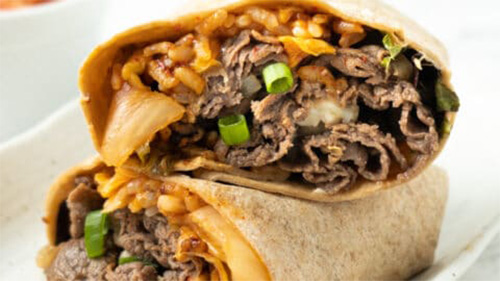
In the world of culinary innovation, regional fusion dishes have become a living testament to creativity and cultural exchange. These dishes blend flavors and techniques from diverse culinary traditions, creating unique and exciting culinary experiences that have captured the hearts and taste buds of food lovers worldwide.
Korean Tacos: A Delicious Cross-Cultural Creation
Fusion cuisine is best exemplified by the Korean taco, which combines the ease of a Mexican taco with the robust tastes of Korean BBQ. Originating in Los Angeles, this taco typically features marinated meats such as barbecued or spicy pork, topped with kimchi, cilantro, and a drizzle of spicy mayonnaise, wrapped in a fluffy tortilla. The dish gained popularity through food trucks, which leveraged social media to promote their locations and attract customers.
The success of the Korean taco highlights the natural commonalities between Korean and Mexican cuisines, particularly in their shared use of ingredients like citrus and chili peppers. This fusion not only creates a delightful culinary experience but also reflects the shared immigrant narratives of Asian and Latino communities in the United States.
Sushi Burrito: A Japanese-Mexican Fusion
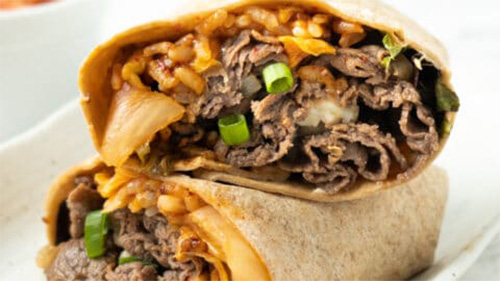
The sushi burrito takes the concept of sushi to a whole new level, wrapping traditional sushi ingredients—such as raw fish, rice, avocado, and vegetables—in a large nori sheet or tortilla, similar in size and shape to a burrito. This Japanese-Mexican fusion dish offers a portable and customizable meal option, perfect for busy individuals seeking fresh, healthy options.
The sushi burrito's popularity has been fueled by its Instagram-worthy appearance and the growing demand for innovative yet approachable cuisine. It perfectly exemplifies how fusion cuisine can adapt to modern dining preferences while honoring diverse culinary traditions.
Ramen Burger: A Japanese-American Fusion
The ramen burger is a creative take on the classic American burger, replacing the traditional bun with a crispy ramen bun. Nestled within these buns is a juicy beef patty, often topped with Asian-inspired toppings like teriyaki sauce, scallions, and a fried egg. Originally introduced at a New York City food festival, the dish has since become a staple at food festivals and pop-up restaurants nationwide. The ramen burger exemplifies how fusion cuisine transforms familiar comfort foods into novel culinary experiences, appealing to adventurous eaters and traditionalists alike.
While Korean tacos, sushi burritos, and ramen burgers have garnered widespread attention, the world of fusion cuisine is vast and constantly evolving. Many other noteworthy fusion dishes have emerged.
Blending the familiar and the unknown to create dishes that are both intriguing and comforting is what makes fusion cuisine so beautiful. It allows chefs to experiment with ingredients and cooking techniques from diverse cultures, creating innovative dishes that appeal to diverse palates. Furthermore, fusion cuisine reflects the dynamic and interconnected nature of global food cultures, celebrating shared human experiences through the universal language of food.